 N-Ways
 Codes
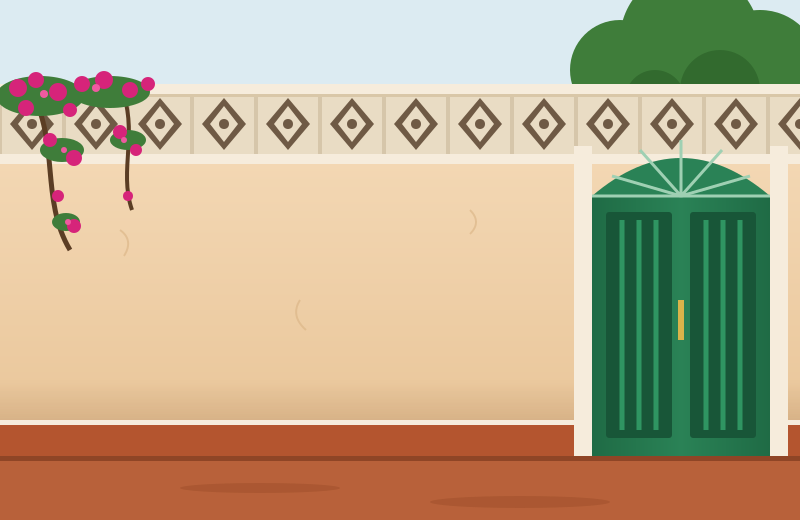
In Côte d’Ivoire a delivery often ends with a phone call: “After the pharmacy, second alley on the left, blue gate.” From 20 October 2026, every compound in the country, every cour, villa and house, has an N-Ways code: 7,956,622 of them, from Le Plateau to Odienné and from San-Pédro to Bouna.
What a code is
A code is the name of your quartier, village or cité and a short number, said in pairs like a phone number. Bonoumin 61 36 is said “Bonoumin, sixty-one, thirty-six”. Other real codes: Abobo RTI 29 21, Remblais 29 66, Bouaké 25 45, Korhogo 1 08 32, Man 1 15 98. The number has four digits, five in the bigger places. The name in the code is never longer than 12 characters and two words: Koumassi remblais is simply Remblais, and the full name still works when typed.
The code belongs to the whole compound and leads to its gate, not to the middle of a roof. A cour with several houses, a kitchen and a shop has one code.
In Abidjan, the State’s address comes first
The Abidjan District addressing project (PADA) has named the streets and numbered many doors, like “495, boulevard de la République”. Where the State has given an address, it stays the official address, written as the State writes it, and N-Ways shows it first as soon as it is known. The N-Ways code sits beside it: it serves where there is no plate yet, in the cours that share one door, and everywhere else in the country.
One code, one place, in the whole country
Many names repeat: seven places are called Madina, sixteen Akakro and sixteen Koffikro. So every place with the same name shares one national range of numbers, one block each. Madina 30 00 is in Sarhala and Madina 40 00 in Sokoro, and neither needs its town after it. Spellings fold together too: Koffikro and Kofikro, Adjouffou and Adjoufou, Riviéra II and Riviera 2 are one name.
On a plate or a form it is written simply Bonoumin 61 36 (Cocody): the commune in brackets is only a label, and the code is typed without it. There is nothing else to remember.
How to get yours
- Open N-Ways at home and tap Get my code. The app finds the compound you are in and shows its code.
- Not at home? Find your compound on the map and tap it, or drop a pin on it.
- Share it in one tap, on WhatsApp or by text. Paint it on the gate if you like.
Every code starts provisional and becomes confirmed when the people who live there agree in the app that it is right. A house too new to be on the map gets a code on the spot. Codes never change and are never given to another home.
A code for any spot
Every spot in Côte d’Ivoire also has a Plus Code, an open system that works offline: 926H+7Q7 Cocody for Bonoumin 61 36. It serves a stall at Adjamé market, a campement or a field.
What a code is not
- Not a land title. It proves neither ownership nor the right to occupy a plot, and replaces neither the ACD nor the IDUFCI.
- Not a postcode. La Poste’s P.O. box and the PADA address stay what they are.
- Not about people. A code describes a place. No names of residents are stored with it.
Open for developers
The model, the engine and the registry of every code are open on GitHub. Couriers, banks, shops and public services can decode codes in their own systems, offline if they need to. The research paper explains every rule, with the mathematics behind it.